International Plastic Bag Free Day on July 3rd

How many plastic bags are used each year?

We use 5 trillion = 5,000,000,000,000 plastic bags… per year! That’s 160,000 a second! And over 700 a year for every single person on the planet.

Most bags are simply thrown out!! Less than 1 percent are recycled. The biggest problem with plastic bags is that they do not readily break down in the environment, with estimates for the time it takes them to decompose ranging from 20 to 1000 years.

What happens to the plastic bags?

In total, we use 100 million tons of plastic every year. Some 10 percent of this plastic end up in the oceans. An estimated 300 million plastic bags every year end up in the Atlantic Ocean alone.

12 minutes of use, 1000 years of pollution!!!

As per the Survey, by 2050, the world’s oceans could contain more plastic than fish measured by weight.

Plastic Pollution is dangerous – We need efficient solutions‎!

No one can be a Zero-Waste hero, they wish they could be overnight!

Here are some of the ways you can turn into an Anti-Plastic lifestyle in just 5 ways and help plastic pollution become a thing of the past.Say no to plastic

PLASTIC STRAWS?

USE STAINLESS STEEL STRAWS/BIOGREEN COMPOSTABLE STRAWS

Although they seem small, they have a huge environmental impact on the sea creatures of the ocean and their quality of life.

Paper straws are also a wonderful alternative, as they are eco-friendly, biodegradable, safer for animals and wildlife, and take less time to decompose.

Also, our Biogreen Straws are made from 100% natural, compostable and affordable materials completely environmentally friendly…

PLASTIC CONTAINERS?

USE PAPER PACKAGING

Buying packaged paper products not only reduces our plastic use but also helps minimize our plastic habit.

Such packaging products may also be reused and recycled, or composted. Take BOXED WATER, for instance.

PLASTIC CUPS?

INVEST IN STAINLESS STEEL BOTTLES OR COMPOSTABLE CUPS

The stainless-steel bottles/cups can be bought just about everywhere you go. They come in various colours, and can be rendered without BPA.

PLASTIC BAGS?

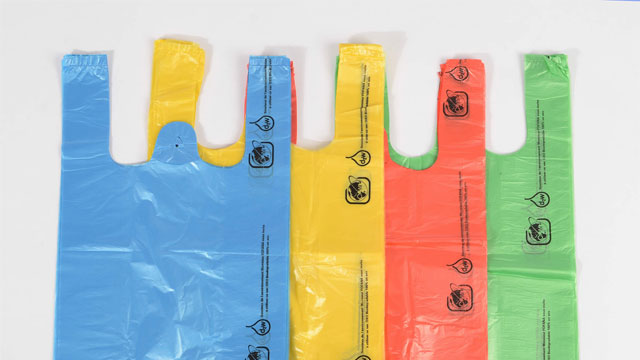
USE MORE LIKE REUSABLE TOTE/COMPOSTABLE CARRY BAGS

Tote bags are a top tier no-plastic object, just like stainless steel bottles. A reusable tote bag will hold all of your things without the risk of tearing or damaging the environment.

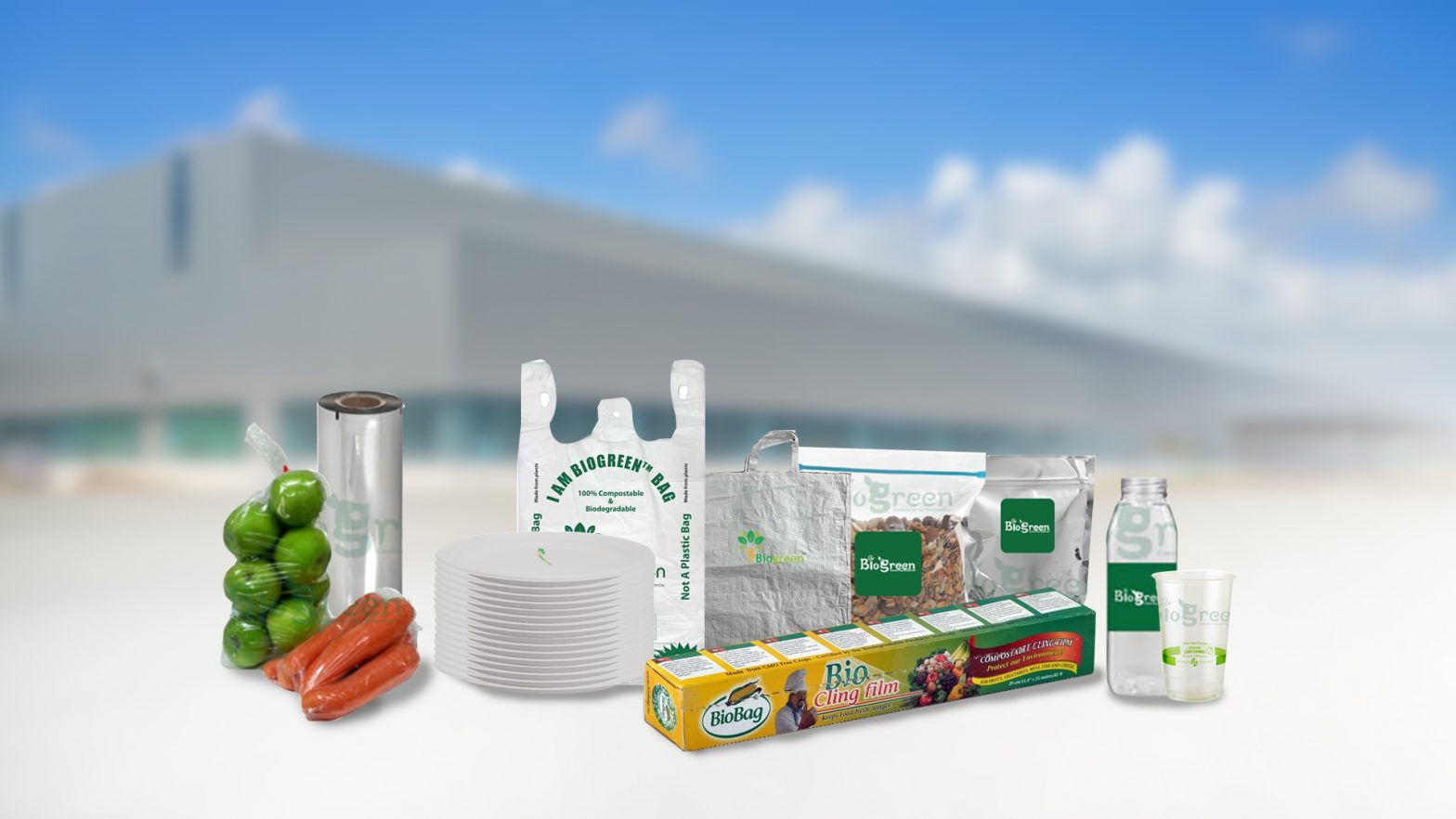
We recommend to use our “BioGreen Compostable Carry Bags” – a best replacement for Plastic Bags!Say no to plastic

PLASTIC WRAPPERS?

SWITCH TO PAPER WRAPPING

The straws are wrapped in plastic. The candies are packed in plastic. Even the beauty items are wrapped in plastic.

Why not bundle it up in sustainable packaging such as paper or biodegradable materials?

Our target is life without plastic! You can live a plastic-free life on one product at a time, from straws to bags to packaging.

A small change starts only from you & from us !

“Take the No-Plastic pledge with us and purchase your plastic-free environmentally-friendly Biogreen Products with us.

Visit our page Biogreen Bags to check the huge variety of Biogreen Compostable Carry Bags, Grocery Bag Rolls, Compostable cups and Straws, Bio water bottles and so much more!”
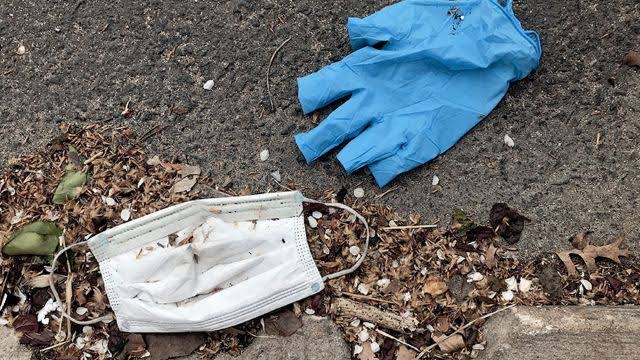
Medical Waste – A new pandemic crisis during COVID-19!

The COVID-19 pandemic has already impacted the waste sector tremendously. Medical Waste is one of the foremost unsafe forms of waste, particularly if it is not handled before disposal.

Medical Waste facilities handle various forms of waste from hospitals, which includes consumable things such as used gloves, disposable cloths and of course organic waste. These things are frequently light, but bulky.

The virus is extremely infectious, and can live for days at a time on surfaces. The only way to counter the pandemic is to mitigate the spread of potential infection as much as possible. It is equally important that waste management processes also had to be taken care of seriously in this Covid-19 crisis.Medical Waste

Disposable face masks and gloves are a nightmare of Plastics

‘Coronavirus plastic waste is polluting the environment’

Plastic waste – a growing issue as the demand for masks, gloves and other PPE spikes. Researchers from the UK estimate that if every person in the world spent a year wearing a single-use mask every day, it would produce 66,000 tons of plastic waste alone and 57,000 tons of plastic packaging.

Personal protective equipment (PPE) is crucial to health-care specialists as they treat millions of patients around the world. However, face masks are now widely used among the overall population.

Impact on wildlife

Over millions of gloves and masks are used and thrown away on the streets every single day. We’ve found masks, hand sanitizer bottles, gloves and other coronavirus waste already found on our seashore and washed up on our beaches. And, if they get into the ocean, they become a threat to sea life.

One of the biggest concerns is that marine life might mistake the masks/gloves for food. We saw turtles, whales and dolphins washing up with plastic bags inside their intestines, and the same thing could happen with these masks/gloves.Medical Waste

Single-use masks are usually made of polypropylene, a fossil fuel-derived plastic that can take hundreds of years to melt down. In the meantime, small toxic microplastics are still dumped into our rivers, and are then eaten by hungry fish (and then humans, while we eat seafood). And although disposable latex gloves are biodegradable, nitrile gloves and vinyl gloves are not.

Proper treatment of the waste during COVID-19 pandemic

Disinfecting wipes, cleaning tools, rags, paper towels, mops and brooms must all be properly treated as if they were highly infectious. The same applies to masks , gloves, clothing or clothing and other PPE.

The Government merely recommends adherence to standard cleaning practices, perhaps with a more proactive approach to the cleaning of frequented areas or surfaces. In other words, teams and organizations have little more to sweep than they usually would. They’ll need to make sure they disinfect periodically.Medical Waste

Best practices of Waste Management in every House/Organization

  • It’s always best to follow safe and clean protocols.
  • We need not necessarily treat disinfectant supplies as infectious waste, but these items should be properly labeled and disposed of at all times.
  • Cleaning supplies must not be reused when disinfecting surfaces or rooms, and garbage should always go to the appropriate waste bin.
  • Should always wear a proper protective gear. Additionally, safe-distance protocols are needed.

More sustainable choices in this pandemic

Experts suggest people using washable cloth masks made of natural materials, instead of surgical masks – which is perfectly Adequate. Most people do use disposable gloves, although the proper hand-washing offers more protection than gloves.

There are more Eco-friendly products available on the market! And, there’s no doubt that our leaders in the world and industry have the potential to facilitate environmentally friendly alternatives to plastic waste. As sustainable alternatives are becoming increasingly trendy it is an easy sell.
“We need to make sure in the future that we are ready for such pandemics and that we are ready to deal with them in an environmentally friendly way; it doesn’t have to be one at the expense of the other.”

Visit our page Biogreen Bags to check the huge variety of Biogreen Compostable Carry Bags, Grocery Bag Rolls, Compostable cups and Straws, Bio water bottles and so much more!

Biodegradable Mulch Films in Agriculture – A view on Soil protection and Environmental Impact

It’s a well known fact that missions to decrease the utilization of plastics have expanded throughout the most recent years, accordingly making in the population an awareness that didn’t exist before. Numerous ecological gatherings call attention to that the acknowledgment of plastics is decreasing significantly more, predominantly because of the difficulty to build up boundless recovery and recycling programs for plastics as well as its failure to biodegrade over time.

Commercially, plastic may take about 1,000 years to decay, which is why many people and companies have decided to reduce its use or purchase products that do not contain plastic. In the case of agricultural plastics, is there a solution?

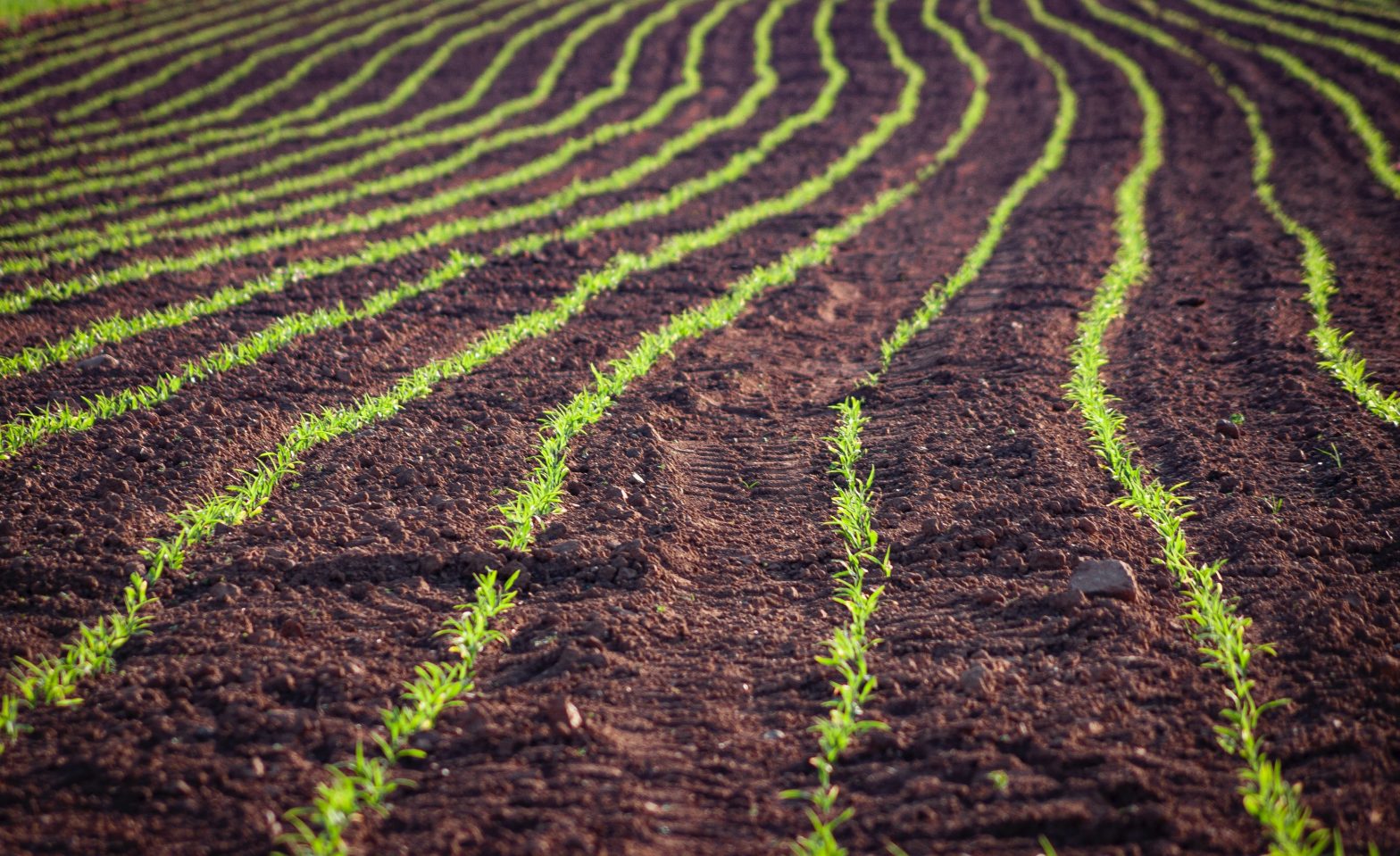
In the field of agriculture, the use of plastic films, for example for mulching, is as important as soil and water used for planting. The advantages of mulching plastics include, but are not limited to, avoiding the spread of weeds, preserving soil moisture and maintaining the soil structure.

In this context, some laboratories have succeeded to produce films that,in spite of being made of polymers, have the durability of biodegradable and compostable plastics, thus leading to a reduction in environmental effects.Medical Waste

Traditionally, these mulching films are made from petroleum-based plastics that are not biodegradable and after being used on-field it is very difficult to remove them from the planting area and then reuse them.

In this way, one of the beneficial features of biodegradable films is that they break down due to a number of external causes such as the frequency of temperature, humidity and also pH structure of the soil, which ensures that farmers only have to plough plastics on the field after the season so that the degradation process is quickened.

The foremost significant highlights of biodegradable films include

  • After use, they produce no hazardous waste.
  • Their installation is standard operating procedure and no special equipment is necessary.
  • They don’t contain heavy metals.

‘Biodegradable polymers’ for environmental sustainability and economic development –

Bio-based polymers have become workable alternatives to conventional petroleum-based plastics. In recent years , interest in biodegradable materials has grown considerably for use in packaging , agriculture, medicine, and other fields. Polymers form the backbones of plastic materials, which are constantly used in an growing environment.

As a result, many researchers are spending time in the redesign of existing materials to make them more user-friendly, and in the production of modern polymer composites from natural materials. Thus, BioGreen™ produces Biodegradable Mulch Films made from a versatile and high-performance biopolymer called ecovio®; which promotes sustainable agriculture in a world of-food demands through soil protection and the crop yields.

Biodegradable Mulch films has the potential to be a feasible innovation on the off chance that it

  • Gives benefits equal to PE (Polyethylene Film) mulch.
  • Diminishes labor costs for removal and disposal.
  • Completely biodegradable.
  • Doesn’t affect the soil quality or the environment.

Medical Waste

Forward thinking farmers use BioGreen™ biodegradable mulch to maximize their production and save time and money.

Future of Biodegradable Mulch Films

Of course, every year, producers change and improve their products. Subsequently, the types of the biodegradable mulches that we used in 2010 could be different nowadays. Integrating the know-how of producers through study by agronomists, soil chemists and microbiologists would further develop this field of study and potentially establish safe biodegradable mulch films.

Further field-based experiments are also required to determine the ecosystem-wide impacts of biodegradable mulches. Concerns are the long-term consequences of thin, film fragments that can remain in the soil, or possible reactions between different agrochemicals and mulch fragments.

Biodegradable BioGreen™ mulch is the most inexpensive, least labour-intensive and most successful way to control weeds, thereby increasing yield. It offers outstanding soil consistency during the growing season, rendering it an important physical barrier to weeds.

BioGreen™ mulch is biodegradable within the soil. Producers avoid the unpleasant task of collecting and disposing of old soiled plastics after the harvest. They can focus all their efforts on what they do best-growing beautiful fruits, veggies or quality natural oils!

Visit our page Biogreen Bags to check the huge variety of Biogreen Compostable Carry Bags, Grocery Bag Rolls, Compostable cups and Straws, Bio water bottles and so much more!”

How a sudden price of bioplastic has changed to 120%

Biodegradable products production is expected to increase more than 15% per year up to at least 2022 in China, says a news source.

This is probably the answer to white pollution worldwide, i.e the use of plastic. It is encouraging to see the acceptance of biodegradable production which is derived from corn and other plants. Created to address the plastic waste concern, in this writeup you’ll read what makes biodegradable products more desirable now. How is it that there is a sudden surge in bioplastic reaching 120%?

Increase in consumer demand for biodegradable plastic

The Global Biodegradable Plastics Market is expected to grow to USD 8,971.32 Million by the end of 2025 at a Compound Annual Growth Rate (CAGR) of 11.82%. Major reasons for the stupendous growth of the biodegradable plastics market are government regulations banning the use of traditional plastics, rising incomes of people, and increasing public attention to plastic’s ill effects.

Also, an increase in the use of biodegradable plastics in packaging and agriculture complement the growth in the industry

What’s special about bioplastics?

Bioplastics are:

  • Organic or plant-based sources instead of oil
  • Recyclable, compostable, or biodegradable
  • A great option as oil-based plastics

Thus, leading to what we said before, here’s why biodegradable plastics have become the need of the hour.

Reduce the dependence on petroleum-based plastics

Biomass including grass, trees, plants, and other organic materials have shifted the trend toward bioplastics based on renewable sources. Hence, the use of bioplastics has helped in packaging and domestic goods which has helped in reducing the dependence on petroleum-based plastics.

Less energy consumption

It requires a lesser amount of energy when it comes to the manufacturing process of biodegradable plastics. They do not require fossil fuels to be recycled and since the energy consumption is less, there is a lesser impact on the environment altogether.

Consumer prefer eco-friendly packaging

With Government enforcement, we’ve seen an increase in the demand of consumers asking for eco-friendly packaging. 25% of consumers believed that food packaging vendors should concentrate more on green product packaging. This acceptance of consumers for sustainable packaging and green products will drive the bioplastics market largely.

Reduction in carbon emission

The primary advantage of using biodegradable plastic is the reduction in carbon emissions during the manufacturing process. Since the materials used to create biodegradable plastics are plant-based, minimal carbon is emitted during the composting process. Biodegradable plastic manufacturers in India like us are committed to reducing carbon footprints through our biodegradable products.

An eco-friendly solution

Biodegradable plastics require proper composting to assure the breakdown of the plastic. This need to dispose of biodegradable plastic products reduces the amount of waste. This waste would’ve been sent to landfills that could be used for agriculture, industrial applications, or residential buildings instead of turning them into landfills.

Bioplastic: Green alternatives are here to stay

To please the environmentally conscious consumers, bioplastic products often reigns over plastic consumption. Advantages such as less CO2 emissions, sustainable raw materials, and biodegradability is leading to steady growth for the bioplastic industry. More and more biodegradable product manufacturers in India are rising to fulfil the responsibilities towards Earth and mankind.

We at Biogreen, as a leading Biodegradable bags manufacturers in India continue to exceed our customers’ expectations with service, value creation, and quality. Our 100% biodegradable products are the best substitute for plastic grocery, carry bags and an everyday single-use of plastic products.

“Going green is no longer an optional luxury of life choice; it is an essential responsibility that everyone must embrace”

The clock is Ticking. Switch to Bioplastics Before It’s Too Late

Biodegradable products can relieve pressure from the environment, especially when we are drowning and suffocating in plastic!

It slides in that 91% of plastic is not recycled, and thus our mother Earth is drowning in plastic pollution. Furthermore, with more plastic in landfills, it constitutes 80% of plastic debris in water bodies.

And now, the world breathes in 380 million tonnes of plastic every year!

Here is a quick read about how plastic is affecting our lives! Moreover, this blog will help you explore how bioplastic is an affordable alternative to plastic bags and other substitutes for plastic.

Hasn’t plastic Become an Essential Part of Your Everyday Life?

Yes! Plastics are now a part of our everyday lives. Whether you are a retail shop owner, a manufacturer, a local vendor, or a consumer, plastic has become an integral part to play in any supply chain.

The use of plastic is entirely in your hands. You will be surprised to know that apart from constituting numerous cosmetic, hygiene, and household products, plastics are now in foodstuffs!

So, how do plastics affect the environment you breathe in?

Straightaway, by 2050, you can expect that there will be more plastics than fish in the water bodies! Moreover, experts anticipate that 90% of coral reefs may die, and our oceans will overheat and lack oxygen- yes, NO LIFE!

In today’s world, plastics accumulate in landfills. There is a high chance that these release chemicals, which ultimately pollute the groundwater and air. With no proper disposal and treatment of plastic waste, it enters our body through inhalation or ingestion.

Moreover, there are some toxins in plastics that leach out of plastic; not only that, it ingests in food and beverages you consume, causing health issues like metabolic disorders and reduced fertility.

Looking at such a devastating scenario, it becomes essential for you to opt for biodegradable products as a substitute for plastic. We help you settle for products that are eco-friendly and affordable.

Breathe Better with Eco-friendly Products from Biogreen

Biogreen is one of the leading product manufacturers in India, and we make products to substitute plastics. Biodegradable plastics offer real benefits when compared to non-biodegradable and harmful plastic bags.

It is better for the environment we live in as the products decompose, and it does not release toxic and harmful chemicals. It forms compost with the fossils and thus, is a natural way to replenish the soil.

Biodegradable bags in place of plastic bags!

We, being a reliable biodegradable plastic bags manufacturer in India, value your quality of everyday life. And thus, our biodegradable, eco-friendly products substitute plastic bags. As a result, eco-friendly products break down at a much faster rate and decompose naturally.

Biogreen bags are best to help you align the quality of life you live with a much natural approach. These biodegradable bags consist of natural starch, vegetable waste, and vegetable oil derivatives with almost no chemical footprints and easy degradation. Indeed, all the plastic substitute products from us contain no conventional plastic.

Live in a Plastic-Free World with 100% Compostable Products.

Indeed, our compostable products address the rising plastic pollution problem. These biodegradable materials convert to compost after a certain period. Read on the reasons for you to choose eco-friendly plastic alternatives.

  • It helps lower carbon footprint.
  • These compostable products are easily disposable. Further, it doesn’t cause any harm to the environment.
  • For a manufacturing company, biodegradable alternatives dramatically help to reduce shipping costs. It is because the build of the products follows an eco-friendly approach and minimalism in mind.
  • Next is, it dramatically improves your brand image. If you are a packaging unit or a retail shop owner, switching to compostable plastic alternatives will invite a long-term association with your customers.

Hello world!

Welcome to WordPress. This is your first post. Edit or delete it, then start writing!